Author

Jess Jarmo
Career Coach specializing in supporting Neurodivergent professionals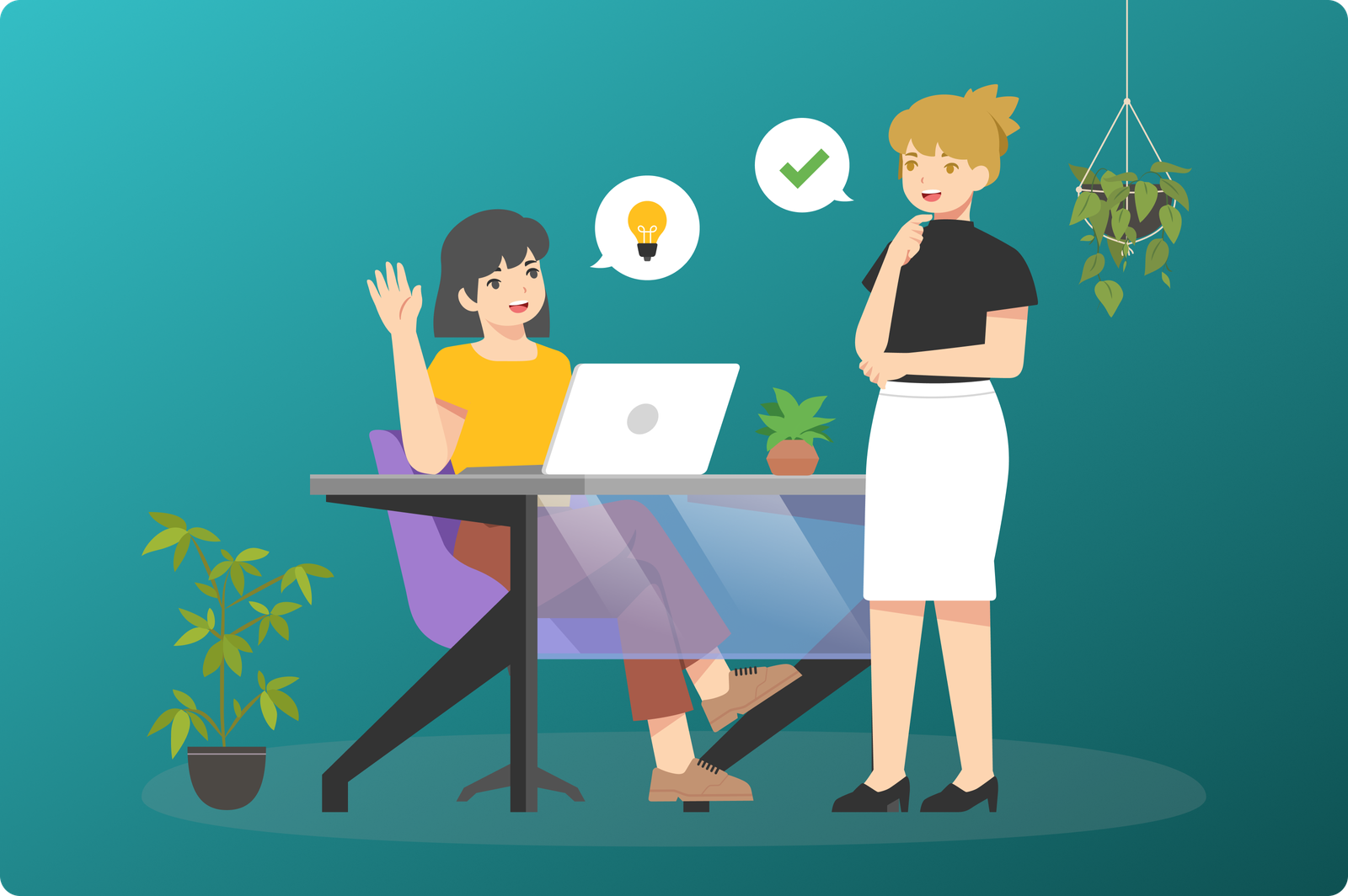
Share


If you have ever sat down to work and found yourself completely frozen before you even started, you are not alone. For many neurodivergent adults, that stuck feeling is not a character flaw. It is how the brain works when dopamine, executive functioning, and task initiation do not fire the way the world expects. Body doubling for neurodivergent people is one of the simplest, most effective tools for breaking through that freeze. No apps, no systems, no lengthy setup required. If you are wondering whether it could work for your brain, keep reading. And if body doubling is helping, but you're still hitting walls at work, with deadlines, or in your career, Jess Jarmo's neurodivergent career coaching builds practical, neurotype-specific strategies around your actual life. Find out if it's a fit.
Body doubling for neurodivergent adults means working alongside another person, in the same room or on a video call, while each person does their own tasks. You are not collaborating on the same project. You are simply sharing time and space. That quiet social presence acts as an anchor, helping regulate attention and reducing the internal resistance that makes starting so hard.
It is also called virtual body doubling when done online, or parallel play for adults, borrowing a term from child development that describes the calm focus that comes from working near others without direct interaction.
Key takeaways
For ADHD adults, motivation is closely tied to dopamine regulation, a connection well-documented in executive functioning research. When a task feels dull, repetitive, or anxiety-producing, the brain struggles to generate enough internal drive to begin.
For autistic adults, the mechanism is slightly different. Body doubling provides predictable structure and low-demand social connection. It removes the isolation that can make solo work feel dysregulating, without requiring the kind of active social engagement that drains energy. A session with clear start and end times, minimal small talk, and a shared purpose can be deeply calming.
Body doubling also addresses body doubling anxiety specifically, the disproportionate stress many neurodivergent adults feel when they have to start tasks alone. Having another person present, even in silence, takes the edge off.
Among the many challenges ADHD adults describe, starting a task is often harder than staying on one. Task initiation is an executive functioning skill that ADHD directly disrupts. Body doubling creates just enough low-stakes social structure to override that stall. Someone else is present, the session has a defined start time, and that container alone is often what makes action possible.
Autistic body doubling works best when the format feels predictable and safe. Many autistic adults prefer virtual sessions because they can control their sensory environment, decide how much camera time they want, and avoid the unpredictability of in-person settings. A session that begins with a two-minute check-in and ends with a brief close creates a repeatable rhythm that many autistic adults find genuinely regulating.
There is no special setup required. Here is a simple format to start with:
If neurodivergent body doubling sessions at work feel difficult to implement on your own, Jess's neurodivergent career coaching can help you design a productivity system that fits your actual role and neurotype. Explore neurodivergent career coaching with Jess
| Format | Best for | Things to know |
|---|---|---|
| In-person, one-on-one | People who need strong social presence | Requires a compatible partner available nearby |
| Virtual one-on-one | Remote workers, introverts | Flexible and easy to schedule regularly |
| Online co-working groups | Those who thrive with community energy | Less personal, but good for consistency |
| Body doubling apps (e.g., Focusmate) | People who want accountability with strangers | Low pressure, easy to book on short notice |
| Timed solo sprints | Highly independent workers | Simulates structure without a live partner present |
These are the things I see make the biggest difference for the neurodivergent adults I work with:
Choosing the wrong partner. A body double who interrupts, offers unsolicited feedback, or does not understand what you need can make the experience worse. Look for someone who gets parallel work and respects your pace.
Treating it as a cure. Body doubling is a neurodivergent productivity tip, not a treatment. If burnout, workplace barriers, or deeper executive functioning challenges are affecting your life, body doubling addresses the surface, not the root.
Writing it off after one awkward session. The first session is often uncomfortable. The format, partner, or timing might need adjusting. One session does not tell you whether body doubling works for you.
Skipping the check-in. Jumping straight into work feels efficient, but skipping the opening intention-setting step consistently reduces follow-through. It takes two minutes. Do not skip it.
Body doubling is a strong starting point, and it works best as part of a wider toolkit. If focus challenges, task avoidance, or workplace difficulties are affecting your income, confidence, or career progression, it may be time for more targeted support. Jess Jarmo offers neurodivergent career coaching for adults navigating ADHD, autism, dyslexia, late diagnosis, and more. Book a free coaching consultation to find out what working together could look like.
1.What is body doubling in ADHD?
Body doubling for ADHD is a focus strategy where a person with ADHD works alongside another person silently and in parallel to reduce the internal resistance that makes starting tasks difficult. The external social presence raises the brain's arousal just enough to bridge the gap between intention and action, addressing the executive functioning difficulty that ADHD creates around task initiation.
2.What is virtual body doubling?
Virtual body doubling is a session done over video call or through a co-working platform. Tools like Focusmate match you with another person for focused work sessions, replicating the benefits of in-person presence from anywhere.
3. Is body doubling the same as having an accountability partner?
They are related but different. An accountability partner involves ongoing check-ins, goal tracking, and feedback. A body double simply shares space during a work session. Some relationships include both, but they serve different purposes.
4. What is body doubling for autism?
Autism body doubling uses shared work sessions to create low-demand social structure and reduce the dysregulation that can come with working alone. Many autistic adults find virtual formats easier to manage because they allow full control over sensory input.
5. Can I use body doubling for studying?
Yes, body doubling works well for studying and is one of the most widely used neurodivergent productivity tips among students and adults. Name your study goal before the session starts, work in parallel, and close with a quick check-in on what you covered. That structure alone significantly increases follow-through.
6. What is body doubling anxiety?
Body doubling anxiety is the disproportionate stress some neurodivergent adults feel when they have to start tasks alone. Having another person present, even in silence, reduces that anxiety and lowers the barrier to getting started
Body doubling is one of those strategies that sounds almost too simple until you try it and notice how much easier it becomes to start and actually keep going. For neurodivergent adults navigating ADHD, autism, executive functioning differences, or any combination, presence is often what bridges intention and action. Start with one session. Try a format or two. Pay attention to what your brain responds to. And when you are ready for support that goes deeper, including career strategies built around your neurotype and your goals, Jess Jarmo's neurodivergent career coaching is the next step.

Founder, CEO & Public Speaker
Jess Jarmo is a neurodivergent career coach with over 18 years of experience in recruitment. She holds a degree in Education and an MBA in Human Resources. She specializes in supporting professionals with ADHD, anxiety, dyslexia, and autism in navigating their careers. Drawing from her own lived experience with dyslexia, ADHD, and anxiety, Jess brings practical, real-world insight to her coaching. As a parent of three neurodivergent children, she is committed to helping individuals grow in ways that align with how they think and work.